What Access Platform Hire Involves
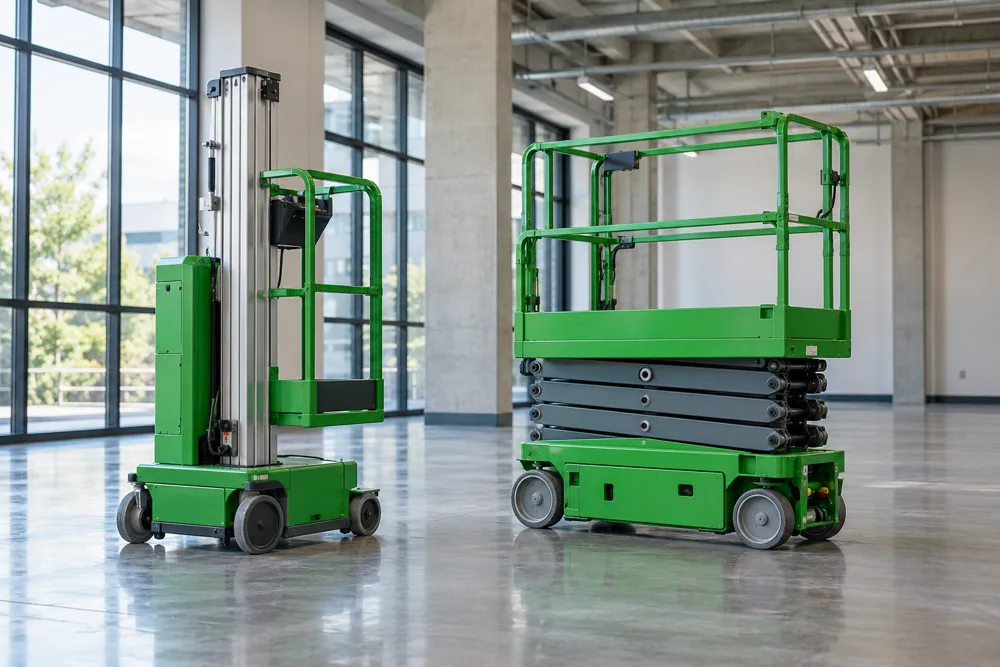
Access platform hire covers several kinds of equipment rather than one interchangeable product. A compact vertical mast may suit a confined indoor work position, a scissor lift can provide a broader deck, and a boom can reach beyond an obstruction. The starting point is the work and its risks, including whether it can be completed without working at height.
Commercial access tasks include lighting maintenance, ceiling services, signage, inspections and fit-out work. Different trades may need different platform capacities and approaches to positioning materials. A platform that works for a brief visual inspection may be unsuitable for an installation requiring bulky components, repeated movement or two people working together.
Choosing The Equipment
Describe the task, the intended work height and the total basket load before requesting a model. Explain whether the platform must travel while raised and whether obstacles prevent standing below the work. If there are narrow doors, lifts or suspended floors on the route, provide measured dimensions and reliable loading information.
Working height, platform height and outreach should be compared using the manufacturer’s specifications. Do not assume that similarly named machines have matching capacities, wind ratings or travel permissions. Ask for the actual proposed model and review the relevant data sheet before it is accepted for a commercial site with defined access constraints.
Delivery Routes, Standing Areas And Surface Limits
Consider emissions, noise, tyre marks, battery charging and protection of finished surfaces for indoor bookings. Outdoors, ground bearing, drainage, exposure and vehicle segregation become central to the decision. Moving a machine between the two environments requires a fresh check of its suitability, rather than treating the initial hire approval as permission for every location.
Identify who can approve the working area before transport is arranged. Building managers may need to release a loading bay, verify a floor specification or approve barriers around a shared route. An unchecked assumption at this stage can prevent use of an otherwise suitable machine once it arrives.
Safe Use And UK Requirements
The Work at Height Regulations 2005 require work at height to be properly planned and carried out by competent people. Assess whether the task can avoid work at height before deciding on access equipment.
LOLER and PUWER also apply to the relevant equipment and its use. Ask for current examination documentation and machine instructions, and keep daily checks separate from the formal examination. Follow HSE guidance on MEWP selection and rescue, with a task-specific plan for lowering the platform if the normal controls cannot be used.
Personal fall protection must match the platform and risk assessment. IPAF’s fall-protection guidance distinguishes boom platforms from vertical lifts. Confirm the manufacturer’s requirements, suitable anchor points where applicable and the competence of the people using the equipment.
How The Hire Process Works
Start by sending the task description, location and intended dates. We use your enquiry to establish the equipment category and the practical information still needed, then ask your agreement before sharing the details with a suitable local hire firm.
Before accepting a quotation, confirm the proposed model, capacity, delivery arrangements and the exact hire period. Agree who receives the machine, who performs familiarisation and how faults are reported. Keep the delivery route clear and check the handover documents before the machine enters use.
During hire, follow the agreed method and stop if the task or conditions change. At completion, follow the supplier’s off-hire procedure and agree where the machine will be left ready for collection. Responsibility and hire charges may continue under the contract until the relevant off-hire conditions are met.
How The Machine And Delivery Shape Your Quote
Access platform hire cost reflects the machine type, reach, capacity, duration and transport arrangements. A useful quotation should make delivery, collection and any optional operator provision clear. Confirm whether there are extra requirements for protected floors, security-controlled premises or out-of-hours work, as these can affect the equipment and booking arrangements.
Ask for a written scope showing what is included and what would trigger an extra charge. Confirm cancellation terms, extensions and any restrictions on moving the machine to another location. There is no useful fixed price without knowing the work, the machine and the transport arrangements.
Access Platform Hire Questions
Which Access Platform Should I Hire?
Access platform selection depends on height, horizontal reach, load, ground conditions and the route into the working area. A vertical lift suits work directly overhead, while a boom can reach past obstacles. Send task details, measurements and photographs if the machine type is uncertain, and confirm suitability before accepting a booking.
What Details Are Needed For A Hire Quote?
A hire quote needs your site postcode, task, working height, preferred dates and expected duration. Include outreach, access widths, ground conditions and the number of people using the platform. Photographs help explain awkward access, but measured clearances and reliable floor-loading information may still be needed before the proposed machine can be confirmed.
Is An Operator Included With Hire?
An operator is not automatically included with platform hire. Tell us whether you need machine-only hire or operated access when sending your enquiry. The quotation should identify the arrangement, who carries out the work and what support is included, so you can confirm that the people on site have the competence required for the task.